Merkur Slots' 24/7 Push Hits Wall in Spalding as Inspectors Prioritize Residents
16 Apr 2026
Merkur Slots' 24/7 Push Hits Wall in Spalding as Inspectors Prioritize Residents

Spalding Venue Faces Midnight Curbs After Failed Expansion Bid
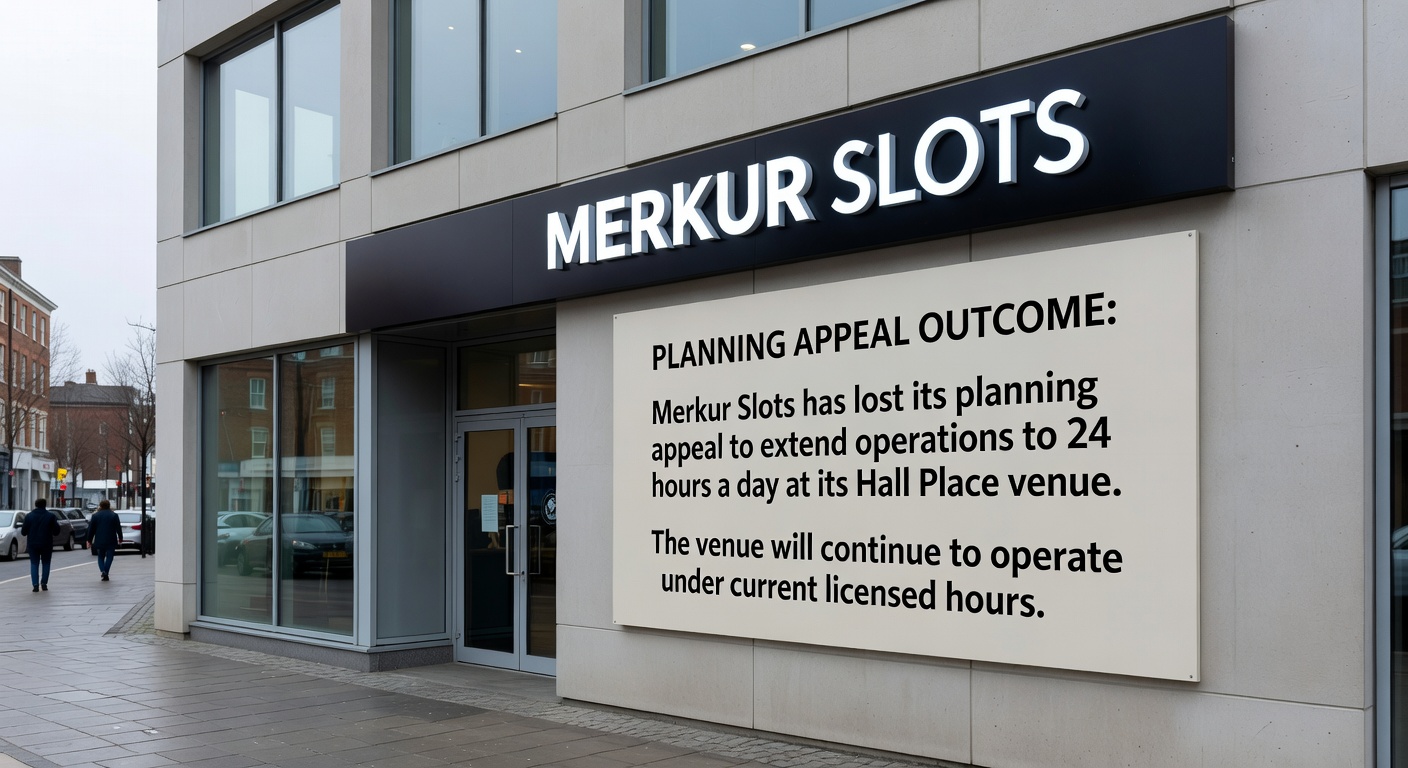
Merkur Slots at Hall Place in Spalding sought to transform its operations into a round-the-clock affair, but the Planning Inspectorate shut that down on 12 March 2026, ruling that such a move would inflict unacceptable harm on nearby residents' living conditions. The venue, an adult gaming centre tucked into the town's commercial landscape, had operated until midnight under prior permissions; operators pushed for 24/7 access to align with modern gambling demands, yet inspectors weighed the noise, light pollution, and late-night footfall against community peace, ultimately siding with those living just doors away. Campaigners from Gambling with Lives jumped in early, their voices carrying weight from personal tragedies like parents mourning a son lost to gambling addiction, and they labeled the outcome a "small victory" in the ongoing fight against problem gambling's creep into everyday neighbourhoods.
Hall Place stands as a familiar spot in Spalding, Lincolnshire, where locals grab quick plays on slots and machines; the centre draws steady crowds, but extending hours beyond midnight stirred immediate backlash since residents already deal with enough evening bustle from passing punters. Operators argued for flexibility in a competitive market, pointing to economic boosts from prolonged openings, yet data from similar appeals shows inspectors often prioritize residential tranquillity when venues border quiet zones. This decision lands amid April 2026 discussions on balancing business growth with public health, as communities nationwide push back on expansions that could amplify gambling exposure.
Unpacking the Appeal Process and Key Objections
The path to the inspectorate's ruling stretched through local council rejections and formal appeals; South Holland District Council initially denied the application, citing risks to amenity, and Merkur escalated to the independent body for a final say. Inspectors reviewed evidence on everything from projected noise levels—potentially rising with late-night comings and goings—to the glow of signage piercing bedroom windows, determining these factors tipped the scales against approval. According to the decision document, harm to living conditions proved "significant and demonstrable," a threshold that doomed the bid despite operator promises of mitigation like soundproofing or staff training.
But here's the thing: such appeals aren't rare in gaming hotspots, where venues cluster near high streets but rub shoulders with homes; experts who've tracked these cases note patterns, like how footfall data from peak hours often sways rulings, especially when locals log complaints about disrupted sleep or increased litter. In Spalding, residents voiced fears not just over racket but the subtle pull of constant access for vulnerable players, echoing concerns that 24/7 slots could fuel addiction cycles in a town already navigating economic pressures. Turns out, the inspectorate's verdict aligns with precedents, reinforcing midnight as a practical cut-off for many UK arcades.
Gambling with Lives Steps Up: A Personal Stake in the Fight
Parents connected to Gambling with Lives—a charity born from raw grief—rallied hard against the extension, their son's death from addiction lending urgency to every submission. The group, which channels lived experiences into advocacy, highlighted how easy access correlates with harm; they submitted testimonies warning that non-stop operations remove natural barriers like closing time, potentially drawing in those battling impulses late at night. Their "small victory" comment, splashed across reports, underscores a broader push where families turn pain into policy wins, pressuring planners to factor in social costs alongside profits.
What's interesting here is how these voices amplify data from global studies; for instance, researchers at the Journal of Gambling Studies have documented spikes in problem play during extended hours, with one analysis showing night owls facing higher relapse risks because fatigue dulls decision-making. In Spalding, campaigners painted a vivid picture of a community shielding itself, arguing that midnight hours already test boundaries without tipping into all-hours temptation. Observers note this case as a template, where personal stories mesh with evidence to sway bureaucratic hearts.
Inspectors' Rationale: Noise, Light, and Living Conditions Front and Center
Diving deeper into the 12 March 2026 dismissal, the Planning Inspectorate laid out a methodical breakdown: proposed 24/7 shifts would generate unacceptable disturbances, from revving engines at 3 a.m. to the hum of machines audible through thin walls, all while bright lights cast long shadows over bedroom curtains. Conditions attached to the original midnight permission—think restricted deliveries and muffled exteriors—held firm precisely to protect that fragile peace; extending them proved unfeasible without major overhauls, which operators couldn't convincingly promise.
Local data bolstered the case, with mapping showing homes mere metres from entrances, where even modest upticks in activity register as nuisances; inspectors cross-referenced noise impact assessments, finding projections exceeded safe decibel limits during quiet hours. And while economic arguments surfaced—jobs sustained, footfall boosted— the ruling emphasized that vitality doesn't trump habitability, a stance rooted in national planning policy that guards against "unacceptable" amenity loss. People who've followed these disputes often discover that lighting clauses seal deals, as persistent glow disrupts circadian rhythms more than operators admit.
Yet Spalding's context adds layers: a market town where gaming centres serve as social hubs but also flashpoints, especially since Gambling with Lives spotlighted addiction's toll; stats from the charity reveal thousands affected yearly, with suicides linked to unchecked habits underscoring why planners hesitate on expansions. As April 2026 unfolds, this verdict ripples, prompting operators elsewhere to rethink all-hours pitches in residential shadows.
Broader Echoes in Local and National Gambling Landscape
Merkur Slots' stumble fits a pattern where councils and inspectors enforce boundaries on physical venues, even as online gambling surges unchecked; Hall Place, with its fixed address and visible presence, invites scrutiny that digital platforms dodge. Residents celebrated quietly, relieved that their pushback preserved sleep and safety, while the operator absorbs the hit—stuck at midnight but eyeing tweaks like enhanced security to appease future bids.
Campaigners' role proves pivotal, as Gambling with Lives leverages forums like this appeal to weave personal narratives with research; one parent recounted their son's spiral from casual slots to despair, a tale that humanizes dry reports and sways undecided officials. Studies, such as those from the National Council on Problem Gambling in the US, mirror UK findings, showing venue proximity correlates with higher harm rates, particularly for youth skirting age checks.
Now, with the dust settling in late March and into April 2026, eyes turn to enforcement; inspectors mandated no changes, binding Merkur to status quo, although whispers suggest possible judicial reviews if operators dig in. That's where the rubber meets the road: communities empowered by wins like this gain leverage, fostering dialogues that blend business needs with neighbourly rights. It's noteworthy how one small arcade's appeal exposes fault lines, revealing gambling's dual face—entertainment for some, erosion for others.
Implications for Operators and Communities Moving Forward
Operators face a recalibration post-ruling, as Merkur Slots navigates limited hours amid rising costs and competition; midnight closes still draw crowds, but 24/7 allure fades, pushing some toward digital pivots or quieter locales. Local traders watch closely, since venues like Hall Place pump evening trade into cafes and shops, yet backlash risks broader boycotts if expansions recur.
Campaigners, buoyed, plot next moves—lobbying for tougher conditions nationwide, armed with this precedent where resident harm trumped commerce. Figures from similar cases indicate appeals succeed only 30-40% of the time when noise data dominates, a stat that chills bold bids. And in Spalding, families breathe easier, their vigilance a reminder that planning powers check gambling's spread.
So as April 2026 progresses, this story lingers, a checkpoint in the tug-of-war over access versus protection; venues adapt, residents hold ground, and charities keep the pressure on, ensuring decisions like this one echo far beyond Lincolnshire lanes.
Conclusion
The Planning Inspectorate's 12 March 2026 rejection of Merkur Slots' 24/7 appeal at Spalding's Hall Place crystallizes tensions between gaming expansion and residential well-being, with harm to living conditions—noise, light, late activity—proving decisive. Campaigners from Gambling with Lives hailed the outcome, their advocacy rooted in tragic losses amplifying community concerns over problem gambling. While operators remain bound to midnight, the ruling sets a marker, influencing future bids and underscoring how local voices shape national trends. In a landscape where slots beckon around every corner, such checks preserve balance, keeping neighbourhoods livable amid the spin.