21 May 2026
Mapping Reward Pathways in Interactive Table Games Across Britain's Digital Casinos
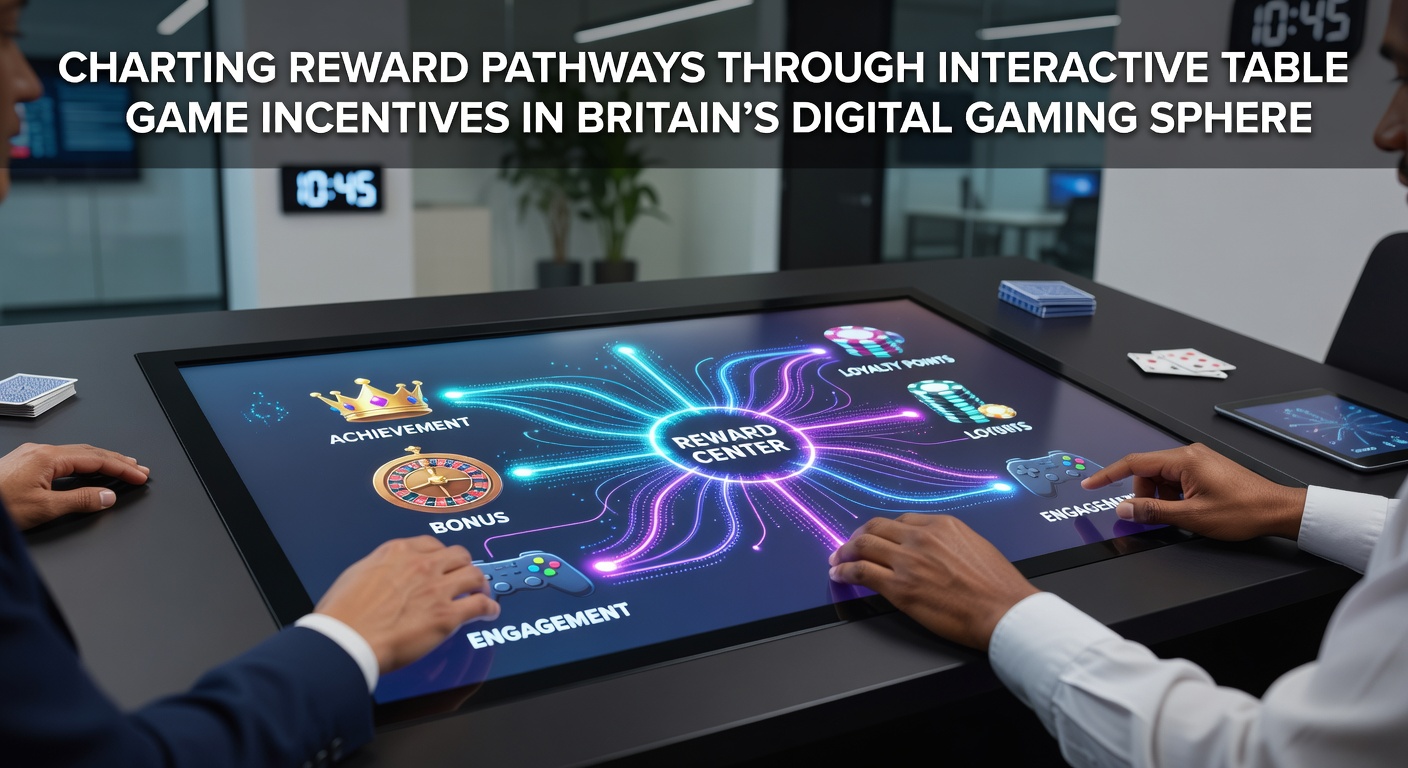
Britain's online casino sector continues to refine how rewards reach players who favor table games, and data from industry reports shows steady growth in structured incentive programs for blackjack, roulette, and poker formats. These systems often blend welcome offers with ongoing loyalty mechanics that track wagering on live dealer and digital variants alike.
Figures released in early 2026 indicate that table game participation accounts for roughly 28 percent of total online gambling activity in the region, while operators adjust bonus structures to match player behavior patterns observed through the previous year. Researchers at several European universities have documented how cashback tiers and deposit matches influence session lengths without altering core game probabilities.
Building Blocks of Table Game Rewards
Operators typically construct pathways that start with sign-up incentives and progress toward tiered loyalty clubs, where points accumulate from bets placed on games such as European roulette or multi-hand blackjack. One study released by an Australian research institute in late 2025 found that players receiving progressive rewards returned to table game sections 34 percent more frequently than those using flat promotions.
These programs rely on clear playthrough requirements that specify how much must be wagered before any winnings convert to withdrawable funds. Data from North American gaming associations shows similar models operating across borders, yet Britain's platforms often incorporate real-time leaderboards that highlight top performers in weekly table game challenges.
Live Dealer Integration and Mobile Pathways
Live dealer environments have become central to reward distribution since high-definition streams allow operators to layer instant bonuses directly onto ongoing rounds. Players who engage with these formats in May 2026 encounter targeted offers that appear after a set number of hands or spins, and tracking tools record participation across both desktop and smartphone interfaces.
Evidence collected by Canadian regulatory bodies highlights that mobile-optimized table game incentives generate higher completion rates for loyalty milestones compared with desktop-only campaigns. Operators respond by adjusting point multipliers during peak evening hours, creating predictable surges in activity that align with broader usage statistics.
Regulatory Context and Cross-Border Comparisons
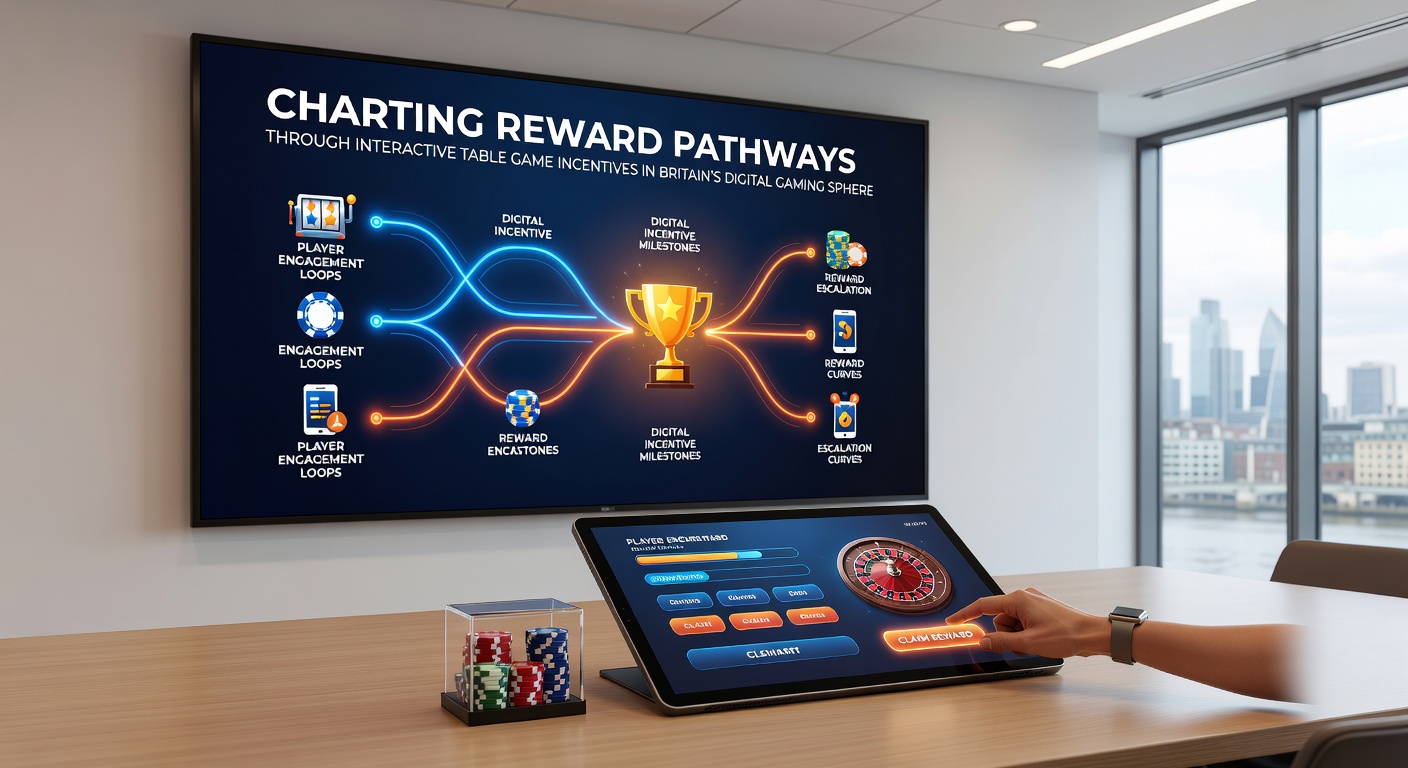
Rules governing incentive transparency continue to evolve, and operators must display terms clearly before any deposit activates a bonus. According to reports from the European Gaming and Betting Association, standardized disclosure practices have reduced player complaints about hidden conditions by measurable margins in several member states.
Comparisons with systems used in other jurisdictions reveal that Britain's approach emphasizes segmented rewards for table games rather than blanket slot-focused offers. A 2025 analysis published by a U.S.-based gaming research center noted that this focus correlates with steadier revenue streams from live dealer tables throughout the calendar year.
Player Behavior and Reward Effectiveness
Those who study engagement metrics observe that structured pathways encourage longer sessions when rewards scale with consistent play rather than single large deposits. One documented case involved a loyalty program that granted exclusive tournament entries after players completed 500 qualifying hands, resulting in a documented uptick in repeat table game activity across participating sites.
What's interesting is how these incentives adapt to seasonal patterns, including heightened activity around major sporting events that indirectly boost casino traffic. Observers note that operators refine reward triggers based on aggregated data, ensuring offers remain relevant without promising outcomes that depend on chance alone.
Future Developments in Incentive Design
By May 2026 several platforms had introduced hybrid rewards that combine cashback with virtual goods usable inside branded table game lobbies. These additions build upon existing loyalty frameworks and respond to feedback gathered through player surveys conducted across multiple operators.
Industry organizations continue to track how such innovations affect retention rates, and preliminary figures suggest modest gains in average session duration when rewards feel personalized to individual game preferences. The mechanisms remain subject to ongoing review as technology and player expectations shift.
Conclusion
Reward pathways for interactive table games in Britain's digital sphere rest on measurable data and structured progression systems that operators refine regularly. Cross-referenced reports from international sources confirm consistent patterns in how incentives operate across live and digital formats, while regulatory expectations maintain focus on clear communication of terms. The landscape continues to incorporate new elements that align with observed player activity without altering the fundamental probabilities of the games themselves.