21 Jul 2026
Evolving Elite Rewards in Crypto Mobile Live Dealer Platforms
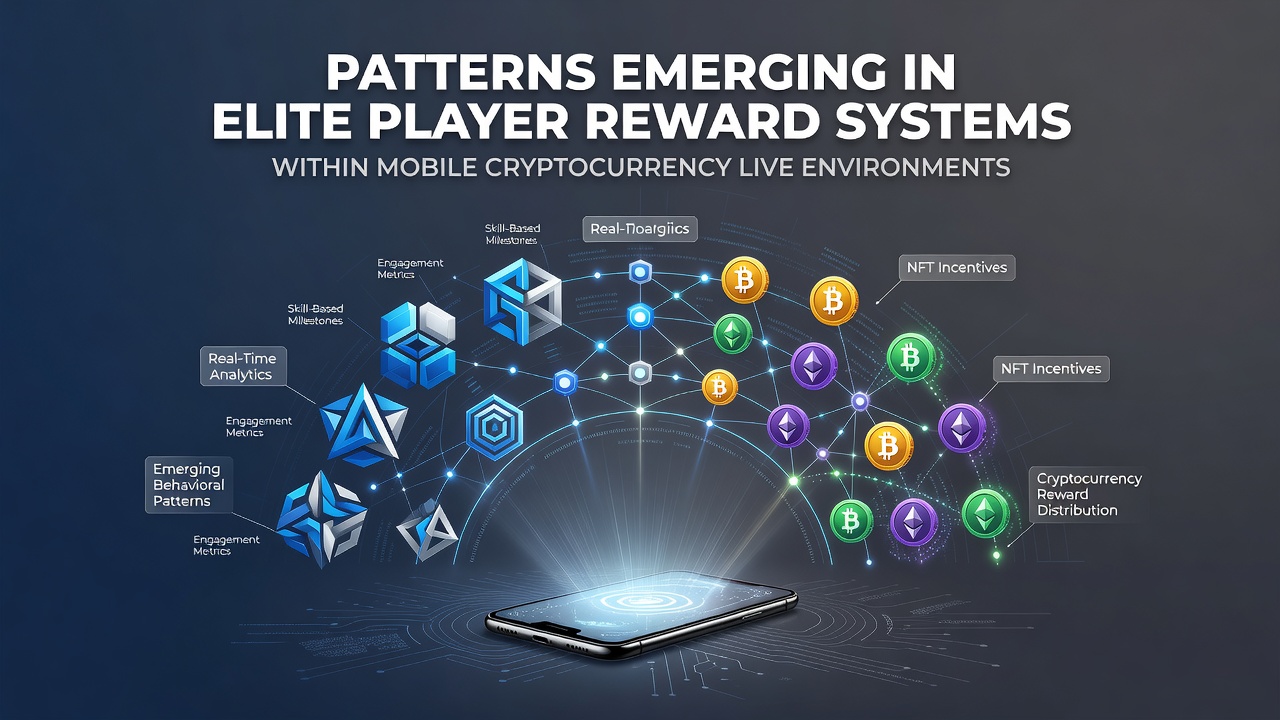
Patterns in elite player reward systems have shifted noticeably within mobile cryptocurrency live environments as operators adapt to digital wallet integrations and real-time engagement metrics, and data from industry reports shows consistent growth in personalized tier structures that combine staking rewards with live dealer access privileges. Operators track player behavior through mobile sessions that last longer on average while incorporating cryptocurrency volatility adjustments into loyalty calculations.
Core Components of Current Reward Architectures
Elite tiers now rely on hybrid metrics that blend wager volume with cryptocurrency holdings and session frequency across live dealer tables, yet these systems often include dynamic multipliers triggered by blockchain confirmations that occur during active play. Research indicates that platforms adjust reward rates weekly based on network congestion data and token price movements recorded through July 2026, which creates layered benefits such as priority table seating and reduced house edges for verified high-balance wallets.
Take one operator that introduced NFT-based badges linked directly to mobile live streams where players unlock private dealer interactions after accumulating specific crypto transaction volumes, and this approach has spread because it ties visual status symbols to verifiable on-chain activity. Observers note that such mechanics reduce traditional point expiration issues while encouraging sustained mobile connectivity through push notifications tied to live event schedules.
Regional Variations and Regulatory Influences
Different jurisdictions shape these reward patterns through distinct oversight frameworks, and evidence from North American regulatory filings reveals tighter rules around bonus transparency that force operators to disclose cryptocurrency conversion rates at the moment rewards are issued. In contrast, Asian markets have seen faster adoption of cross-platform reward portability where elite status transfers between mobile apps and desktop live environments without resetting progress bars.
A report released by the Nevada Gaming Control Board in early 2026 highlighted how mobile crypto integrations increased elite tier retention rates by measurable percentages compared to prior years, and similar patterns appear in European data sets that emphasize responsible play thresholds built into reward algorithms. These thresholds automatically pause certain bonus accruals when session limits are approached, which maintains compliance across multiple regions simultaneously.
Technological Drivers Behind Personalization
Machine learning models now process live dealer interaction data alongside wallet analytics to predict which rewards will extend session duration most effectively, and this results in offers that range from exclusive cryptocurrency airdrops to customized table minimums that appear only on mobile interfaces. Those who have studied these systems note that real-time adjustments often occur within seconds of a large crypto deposit, allowing operators to escalate a player into a higher tier mid-session without requiring manual review.
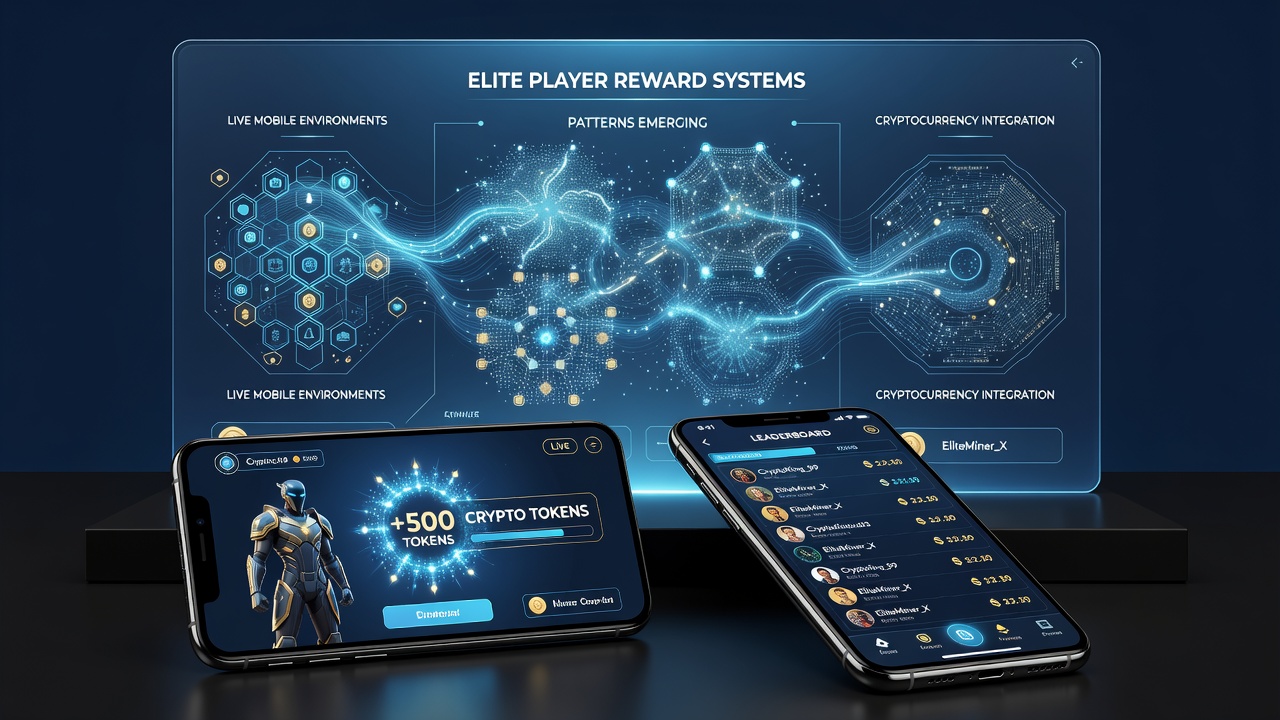
Additional layers include social features where elite players receive referral multipliers when their network contacts complete verified live dealer rounds using the same cryptocurrency, and this creates network effects that compound individual reward potential. Figures from research institutions tracking iGaming adoption show that mobile users in these elite segments generate higher average revenue per user when reward systems incorporate both financial and social recognition elements.
Future Trajectories Based on Observed Trends
Integration of decentralized identity protocols continues to expand within these reward ecosystems, which allows players to carry verified status across multiple mobile crypto live platforms without repeated KYC processes. Industry organizations such as the European Gaming and Betting Association have documented how such portability influences operator competition and encourages more sophisticated loyalty structures that differentiate through speed of reward delivery rather than size alone.
Patterns also indicate rising use of gamified progression paths where elite players complete live dealer challenges that award fractional cryptocurrency ownership stakes in platform features, and these mechanics appear more frequently in markets where regulatory sandboxes permit experimental reward models. Data collected through mid-2026 suggests continued refinement of these paths as operators respond to player feedback loops embedded directly into mobile applications.
Conclusion
The landscape of elite player rewards within mobile cryptocurrency live environments continues to develop through measurable technological and regulatory pressures that favor integrated, data-driven systems over static bonus structures. Patterns observed through July 2026 point toward greater emphasis on real-time personalization, cross-platform portability, and on-chain verification as core elements that define access to premium benefits. These developments create environments where reward delivery aligns closely with player activity patterns while maintaining compliance across varied jurisdictions.