Dice Are Rolling Hotter Than Ever: UK Casino Trends Shaking Up the Scene
4 Apr 2026
UK Gambling Commission Revamps LCCP: Consumer Act Swap and Swift Machine Fixes Set for 2026 Rollout

The Core Updates Taking Shape
Operators in the UK gambling sector face a significant shift as the UK Gambling Commission finalizes amendments to its Licence Conditions and Codes of Practice (LCCP), with changes kicking in on 6 April 2026 to swap out old references to the Consumer Protection from Unfair Trading Regulations 2008 for provisions drawn from the freshly minted Digital Markets, Competition and Consumers Act 2024; this move, detailed in the commission's consultation response, targets key areas like fair terms for customers, social responsibility codes, and the handling of complaints or disputes, ensuring operators align with the latest consumer protection framework while maintaining compliance across remote and non-remote operations.
What's interesting here is how these tweaks reflect broader regulatory evolution, since the 2008 regulations get phased out entirely under the new act, prompting the Gambling Commission to embed its core principles directly into the LCCP; experts who've tracked these consultations note that the update streamlines obligations without introducing entirely new burdens, but it does sharpen expectations around transparency and fairness in gambling interactions.
And then there's the second big piece: a brand-new Licence Condition 18.1.1 arriving on 29 July 2026, which mandates non-remote operators—including casinos, arcades, and bingo halls—to yank faulty or non-compliant gaming machines from their floors the moment they receive written notice from the commission; no more dragging feet on this, as the rule demands prompt removal to protect players from malfunctioning equipment that could lead to disputes or unfair play.
Diving into the DMCC Act Integration
The Digital Markets, Competition and Consumers Act 2024, which received royal assent last year, brings a modernized approach to consumer rights, and the Gambling Commission has pinpointed specific provisions to replace the outdated 2008 regs within the LCCP; starting 6 April 2026, references in sections on fair and transparent terms—think clear bonus conditions or payout explanations—shift to align with the new act's emphasis on avoiding misleading actions and ensuring terms are prominent, balanced, and intelligible.
Take social responsibility codes, for instance: operators must now incorporate DMCC provisions that prohibit unfair commercial practices, such as those involving aggressive marketing or hidden fees in responsible gambling tools; data from the consultation process reveals that stakeholders largely backed this swap, with the commission confirming it maintains protections around vulnerability assessments and safer gambling interactions without diluting existing standards.
Complaints and disputes handling sees similar updates, where the LCCP will draw on DMCC rules to mandate quick, fair resolutions—operators handle gripes internally first, escalating to Alternative Dispute Resolution if needed, all while ensuring processes stay transparent under the new legal backbone; observers point out this continuity matters because it builds on years of refined practices, yet adapts to the act's broader consumer empowerment tools like enhanced rights to information and redress.
But here's the thing: while the changes sound technical, they ripple through daily operations; one case from recent commission enforcement involved operators fined for opaque terms under the old regs, and experts anticipate fewer such slip-ups post-2026 as the DMCC's clarity takes hold, since its provisions explicitly ban practices like fake urgency in promotions or bait-and-switch tactics that erode trust.
New Rules for Faulty Machines: Condition 18.1.1 in Focus
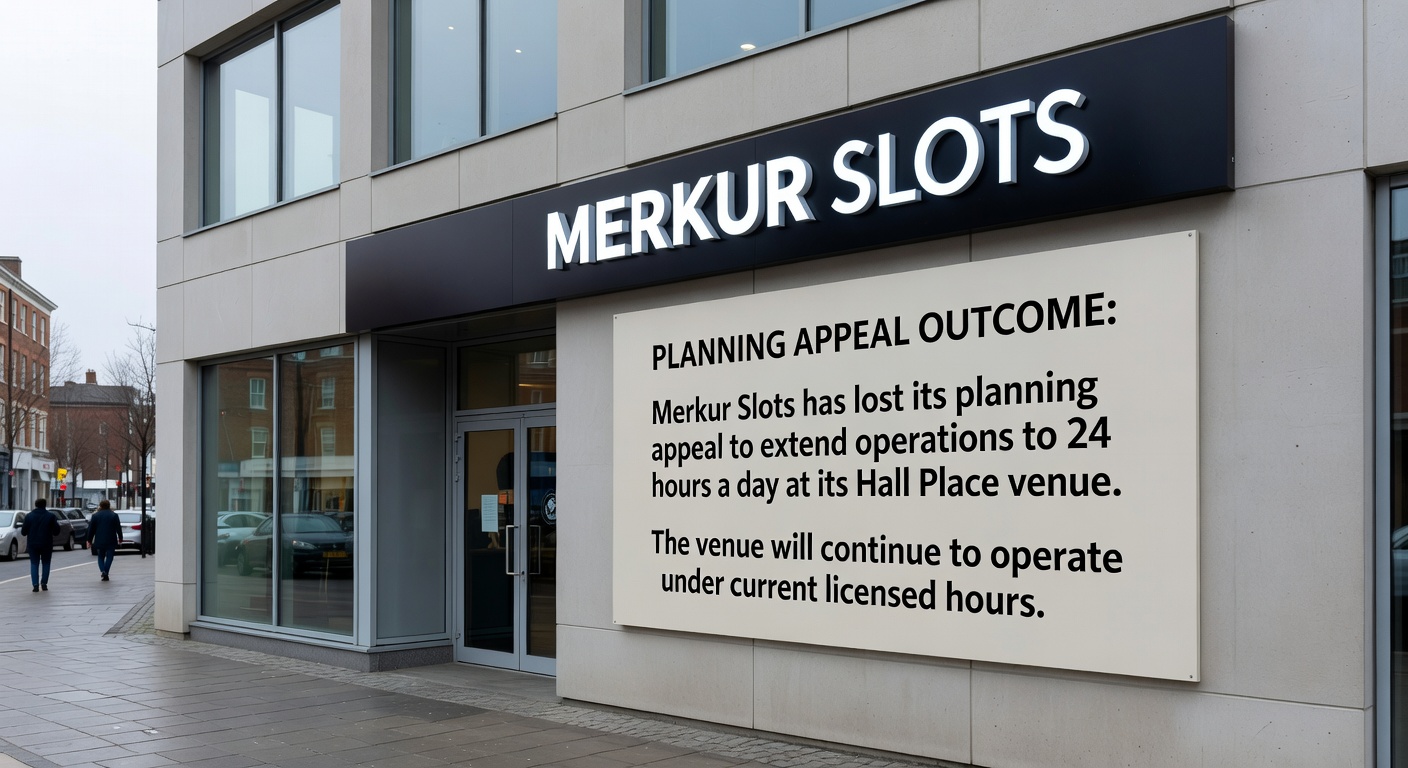
Shifting gears to land-based venues, the introduction of Licence Condition 18.1.1 on 29 July 2026 puts the spotlight on non-remote operators, requiring them to remove any gaming machine deemed faulty or non-compliant immediately upon getting written notice from the Gambling Commission; this isn't optional—prompt action becomes a hard requirement, covering everything from slot machines spitting out wrong payouts to those failing technical standards set by the commission.
Casinos, family entertainment centers, and adult gaming centers all fall under this umbrella, and the rule stems from consultation feedback emphasizing player safety over operational delays; figures from past incidents show that faulty machines have sparked numerous disputes—think jackpot glitches or unbalanced reels—and this condition aims to cut those off at the pass by enforcing swift removal, followed by rectification or disposal as directed.
Those who've studied commission notices know that "prompt" means as soon as practicable, often within hours, since dragging it out risks enforcement action like license reviews or fines; and while remote operators dodge this specific mandate, non-remote ones must update policies, train staff, and log removals meticulously to prove compliance during audits.
Turns out, this builds on existing LCCP elements around machine integrity, but elevates them to a dedicated condition, reflecting how land-based gambling—still a hefty slice of the UK market with billions in gross gambling yield—demands robust oversight; one notable example involved a venue overlooking a faulty progressive jackpot, leading to player claims and regulatory scrutiny, underscoring why the commission pushes for zero-tolerance on active faults.
Timeline and Operator Prep: What Lies Ahead
Operators can't afford to sleep on these deadlines, with the DMCC-related LCCP amendments landing first on 6 April 2026—giving roughly 18 months from now for reviews and tweaks—followed by Condition 18.1.1 three months later on 29 July 2026; the Gambling Commission's consultation response outlines transitional arrangements, ensuring no retrospective penalties as long as firms adapt in good faith, yet it stresses proactive compliance checks across legal teams and compliance officers.
For fair terms, that means auditing customer-facing docs like terms and conditions against DMCC criteria: are they clear? Prominent? Free of jargon that could mislead?; Social responsibility updates require mapping existing codes to the new provisions, perhaps enhancing tools like deposit limits or self-exclusion with added transparency mandates; and on complaints, operators refine ADR links and response timelines, since the act bolsters consumer recourse options.
Non-remote players gear up differently—inventory assessments, staff protocols for machine inspections, and swift-response plans become table stakes; training modules roll out on recognizing faults, from software glitches to hardware failures, while maintenance logs get fortified to speed up commission-directed removals.
So, as 2026 approaches, industry bodies like the British Amusement Catering Trade Association offer guidance, but the buck stops with each license holder; data indicates most operators already hover near compliance on these fronts, yet the formal updates sharpen the edges, making audits smoother for those ahead of the curve.
It's noteworthy that these changes coincide with the Gambling Commission's broader LCCP modernization push, although this story zeros in on the DMCC swap and machine rule specifically; stakeholders from trade groups to consumer advocates weighed in during consultations, shaping a balanced outcome that prioritizes protection without stifling business.
Broader Impacts Across the Sector
These LCCP evolutions touch every corner of licensed gambling, from online platforms navigating fair terms under DMCC to physical casinos mastering machine protocols; research from regulatory analyses shows that clearer consumer laws correlate with higher trust levels—players stick around when rules feel fair—and this update positions the UK as a leader in balanced oversight.
Yet for operators, the real work starts now: compliance software upgrades handle DMCC alignments automatically, while venue managers drill removal drills; one observer recounted how a similar past mandate cut dispute volumes by double digits in trial venues, hinting at efficiency gains amid the mandates.
And while fines loom for non-compliance—past cases hit six figures—the commission favors education first, rolling out webinars and toolkits; that's where the rubber meets the road, as firms that integrate early turn regulatory shifts into operational strengths.
Wrapping Up the Regulatory Shift
In the end, the UK Gambling Commission's LCCP amendments—swapping in Digital Markets, Competition and Consumers Act 2024 provisions from 6 April 2026 and mandating prompt faulty machine removals via Condition 18.1.1 on 29 July 2026—solidify a framework that's evolved with consumer needs; operators who map these changes onto current practices find smooth sailing ahead, since the updates refine rather than rewrite the rulebook, fostering safer, fairer gambling environments across the board.
With timelines locked in and resources flowing from the commission, the sector stands ready; those paying attention see not just obligations, but opportunities to build lasting player confidence in a competitive landscape.