4 Aug 2026
Cross-Device Continuity and Tiered Incentive Models in Regulated Markets
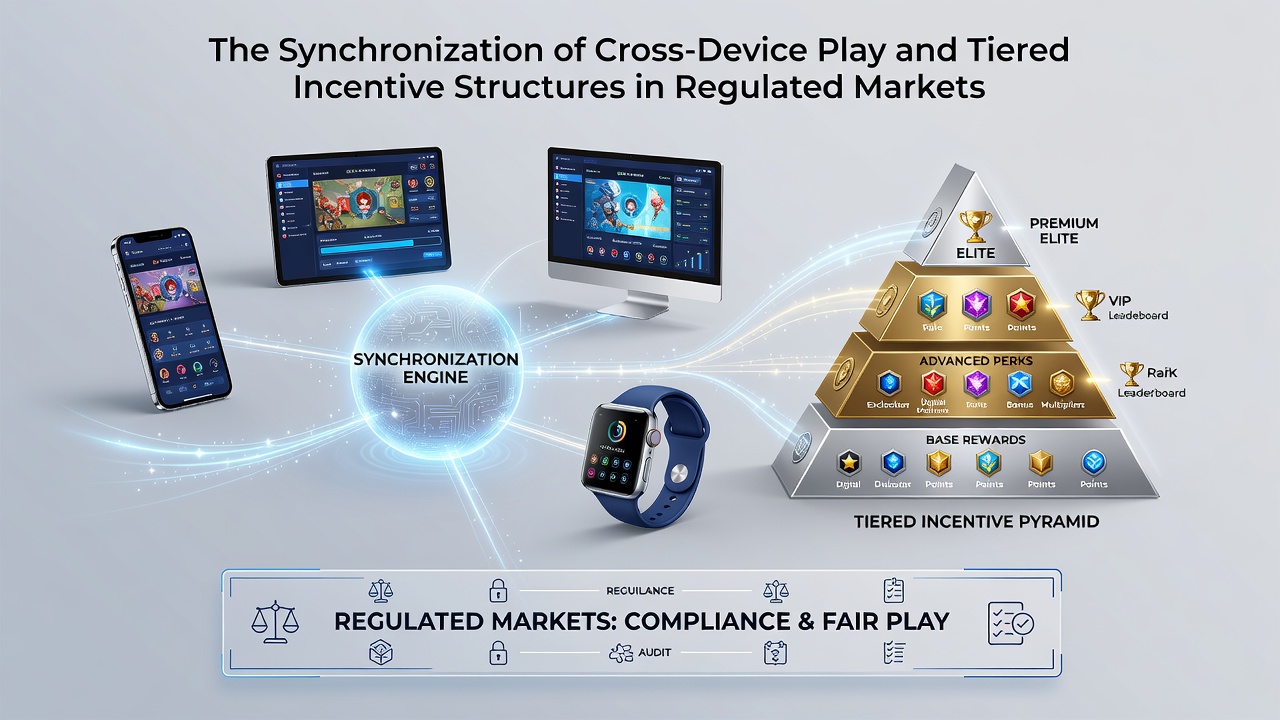
Regulated markets have developed systems that allow players to move between devices while maintaining consistent progress and access to layered reward programs, and this integration relies on secure account management platforms that track activity across smartphones, tablets, and desktops in real time.
Data from industry reports shows that operators in multiple jurisdictions have implemented cloud-based synchronization protocols since the early 2020s, which means a session started on a mobile device can resume on a desktop without loss of game state or accumulated points, while tiered incentive structures adjust automatically based on total play volume regardless of the hardware used.
Technical Foundations of Device Synchronization
Operators use encrypted APIs and centralized player databases to achieve this continuity, and regulators in several regions require these systems to meet strict data protection standards before licensing approval, which ensures that player information remains secure during transfers between devices. Research from academic institutions indicates that synchronization reduces session abandonment rates because users do not need to restart progress, and this feature has become standard in markets where mobile usage exceeds sixty percent of total engagement.
August 2026 saw updates from several North American regulatory bodies that formalized testing requirements for cross-device handoffs, and these guidelines emphasize audit trails that record every transition to prevent discrepancies in reward calculations.
Structure of Tiered Incentive Programs
Tiered systems typically divide players into levels based on cumulative spend or playtime, with each tier unlocking additional benefits such as bonus credits, faster withdrawal processing, or exclusive game access, and synchronization technology ensures that tier status updates instantly across all platforms. Industry analyses reveal that operators often link these tiers to loyalty points earned through consistent activity, which creates a feedback loop where continued play advances the user while maintaining visibility of current standing on any connected device.
Regional Variations in Implementation
European markets have adopted unified standards for cross-device tracking that align with broader consumer protection rules, whereas North American states have introduced region-specific mandates that require separate verification for each device type before full synchronization activates. Australian regulatory frameworks, according to reports from the Australian Gambling Research Centre, emphasize responsible gambling tools that integrate directly into tiered structures so that spending limits apply uniformly regardless of access method.
One study conducted by university researchers in Canada found that players in synchronized environments reached higher tiers at faster rates than those using single-device setups, and this pattern held across both land-based and online segments where integration was available.
Regulatory Oversight and Compliance Requirements
Regulators focus on ensuring that synchronization does not create unfair advantages or obscure spending tracking, and this has led to mandatory reporting of cross-device metrics in licensing renewals. The Nevada Gaming Control Board has published technical bulletins that outline minimum standards for incentive calculation engines, requiring that tier progression remains transparent and auditable at every step.
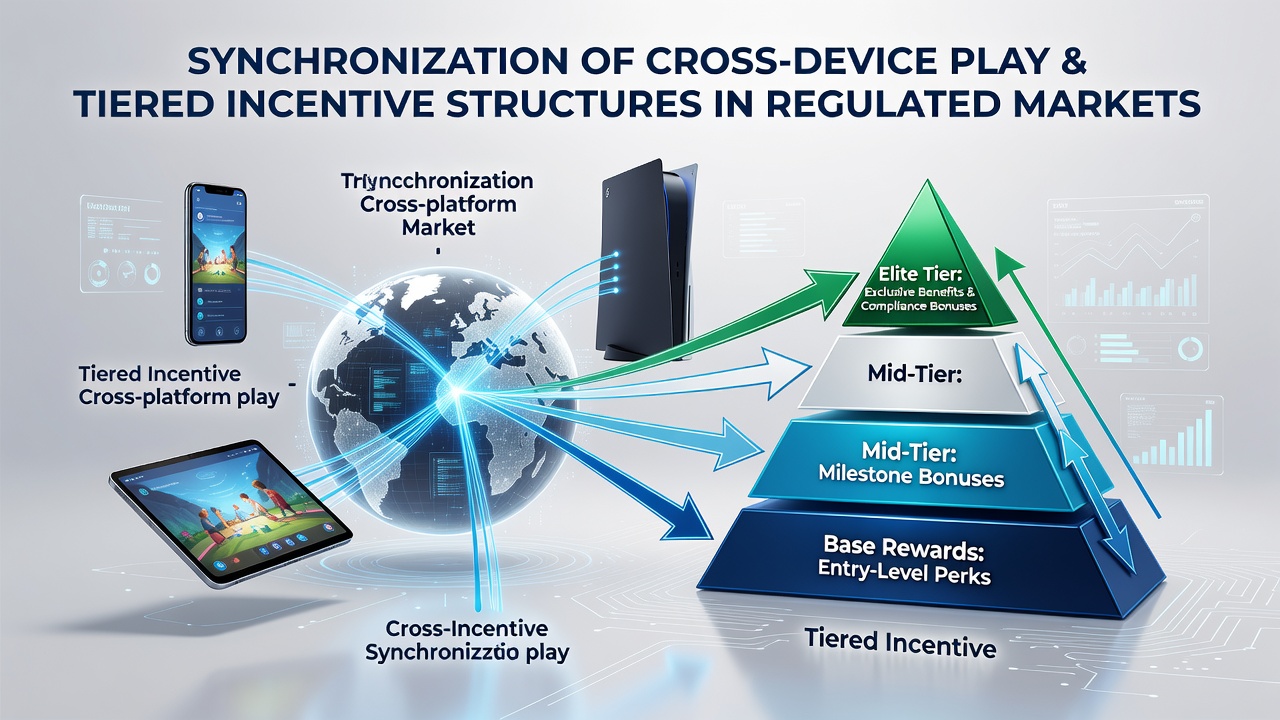
Observers note that these requirements have prompted operators to invest in real-time monitoring dashboards that flag unusual patterns across multiple devices, which helps maintain compliance while supporting the tiered reward mechanisms that drive player retention.
Impact on Player Behavior and Market Dynamics
Figures from trade associations demonstrate that synchronized cross-device play combined with tiered incentives correlates with longer average session durations, and this holds true in both established European markets and emerging US state frameworks. Players who engage across devices tend to accumulate points more steadily, which accelerates their movement through incentive tiers and increases overall engagement volume without requiring additional promotional spend from operators.
Case examples from markets in New Jersey and Ontario show that operators who deployed full synchronization reported measurable increases in tier advancement rates within the first six months, and these gains persisted as more users adopted multi-device habits. Regulatory reviews have confirmed that such systems maintain fairness when proper logging and verification processes remain in place.
Future Developments and Standardization Efforts
Industry groups continue to work toward common technical standards that would allow seamless transfers even between different operators under shared regulatory umbrellas, and early pilot programs in select jurisdictions have tested these multi-operator frameworks with positive initial results. Data indicates that further refinement of synchronization protocols could reduce technical friction and allow tiered structures to incorporate additional variables such as time-of-day bonuses or device-specific challenges.
Conclusion
The combination of cross-device synchronization and tiered incentive structures has become a core feature of regulated gaming markets, supported by evolving technical standards and oversight from multiple regional authorities. Continued investment in secure tracking systems and compliance reporting ensures that these mechanisms operate consistently while meeting the requirements set by diverse regulatory bodies worldwide.