23 Jul 2026
Blockchain Transforms Reward Mechanisms in Mobile Table Games
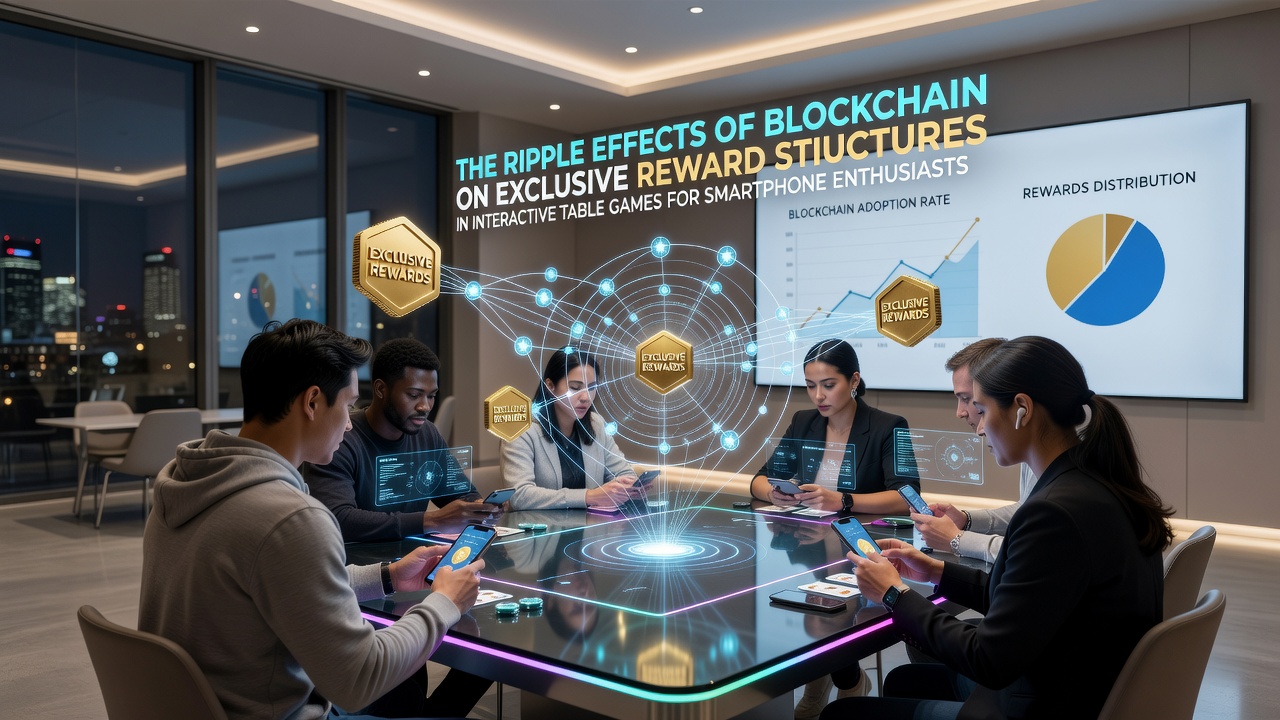
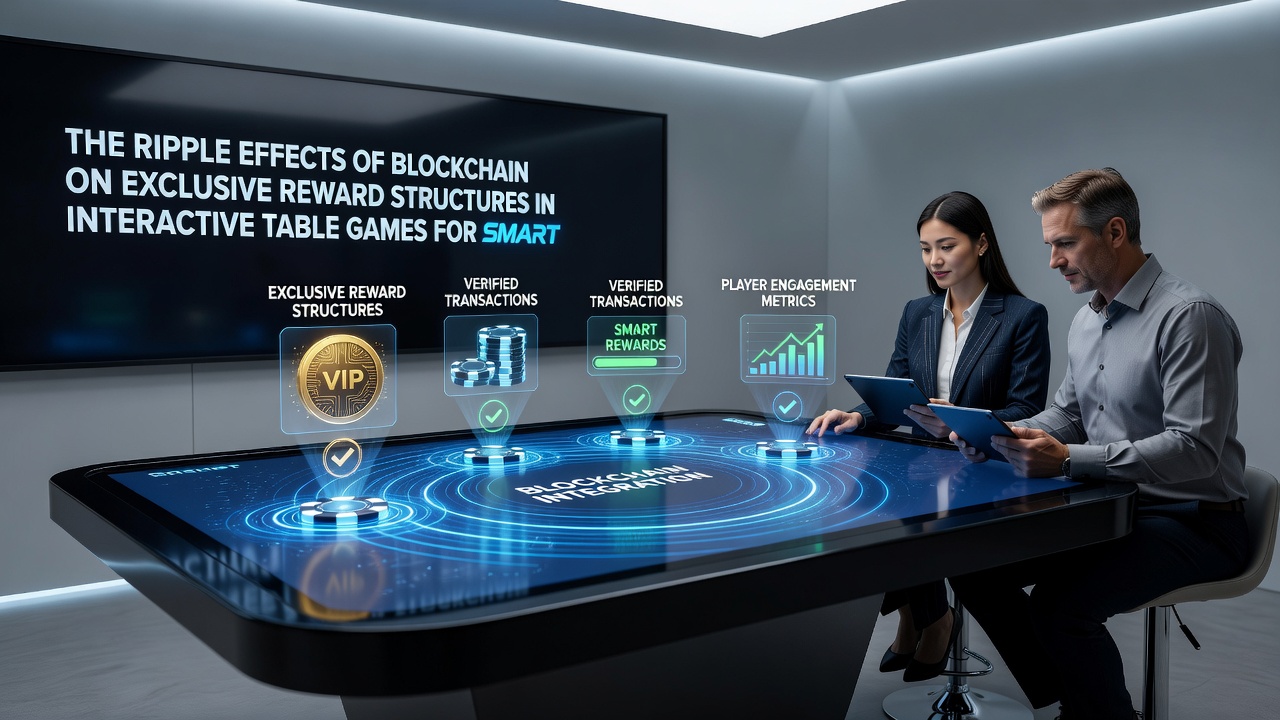
Blockchain technology continues to alter how reward structures operate within interactive table games designed for smartphone users, and data from multiple sectors shows measurable shifts in transparency, distribution speed, and access to exclusive perks. Developers integrate distributed ledgers into game mechanics so that reward points, loyalty tiers, and bonus allocations become verifiable entries rather than centralized database records. This approach reduces disputes over point accumulation because every transaction receives cryptographic timestamping and public verification where permitted by platform rules.
Smart Contracts Automate Tiered Rewards
Smart contracts execute reward releases automatically once predefined conditions trigger, and studies from research institutions indicate this automation shortens payout cycles from days to minutes in many mobile implementations. A player reaching a high-roller threshold in blackjack or poker variants sees the system mint a token or credit the account without manual review, which cuts administrative overhead for operators. Observers note that these contracts also embed expiry rules directly into code, so unused rewards deactivate on schedule without requiring separate customer service intervention.
Tokenization Creates Portable Perks
Tokenization allows exclusive rewards such as VIP event invites or multiplier boosts to exist as unique digital assets that transfer between games or even platforms when developers adopt compatible standards. In July 2026, industry reports documented several mobile operators testing cross-game reward portability, and figures reveal increased retention rates among users who value flexibility over static point systems. Those who participate in multiple table game titles often discover that tokenized rewards maintain value across different environments, whereas traditional systems lock points inside single applications.
Transparency and Audit Trails
Distributed ledgers provide immutable records of reward issuance and redemption, which appeals to regulators seeking clearer oversight without compromising user privacy through selective data sharing. Academic papers from European universities have examined how blockchain audit trails support compliance checks, and the evidence shows reduced instances of disputed bonus calculations when both operators and players access the same verifiable history. Smartphone applications now surface simplified ledger views so users confirm their reward status in real time rather than submitting support tickets for balance verification.
Regional Regulatory Responses
Authorities outside the United Kingdom have begun issuing guidance on blockchain use in gaming rewards, and a Canadian provincial report from 2025 outlined requirements for consumer protection disclosures around tokenized assets. Australian researchers published findings on smart contract liability frameworks that influence how operators structure exclusive reward programs for mobile audiences. These regional approaches differ in emphasis, yet each stresses clear communication of how rewards convert to usable value and what happens during network upgrades or forks.
Security Considerations for Mobile Users
Smartphone enthusiasts benefit from wallet-based authentication that links reward accounts to private keys instead of passwords alone, and security analyses indicate lower rates of account takeovers when multi-signature approvals govern high-value redemptions. Developers implement zero-knowledge proofs in some applications so that reward eligibility verifies without exposing full transaction histories, which balances privacy with the transparency blockchain provides. Data from device manufacturers shows steady growth in secure element adoption that supports these cryptographic methods on consumer handsets.
Integration Challenges and Solutions
Legacy mobile gaming platforms require middleware layers to connect existing player databases with blockchain networks, and case studies reveal that phased rollouts minimize service interruptions during migration. Operators face decisions about which reward tiers to tokenize first, often beginning with limited-time promotions before expanding to core loyalty structures. Network scalability remains a focus area, with several projects adopting layer-two solutions to maintain responsive gameplay while recording reward events on-chain.
Future Developments
Continued refinement of interoperability protocols promises broader compatibility between different mobile table game ecosystems, and pilot programs scheduled for late 2026 aim to test reward token exchanges across operator boundaries. Research groups continue evaluating energy-efficient consensus mechanisms that align with mobile device constraints and sustainability goals. Those monitoring adoption patterns report that early movers gain measurable advantages in user engagement metrics when exclusive rewards leverage blockchain features effectively.
Conclusion
Blockchain integration into mobile table game reward systems produces verifiable changes in how exclusive perks distribute, transfer, and expire, with concrete examples appearing across multiple jurisdictions and operator types. The technology supplies tools for automation and transparency that reshape traditional loyalty models without eliminating the underlying game mechanics players enjoy. Ongoing regulatory and technical developments will determine the pace of further expansion into additional smartphone table game categories.