23 May 2026
Blockchain Transforming Exclusive Table Rewards in Britain's Mobile Casino Scene

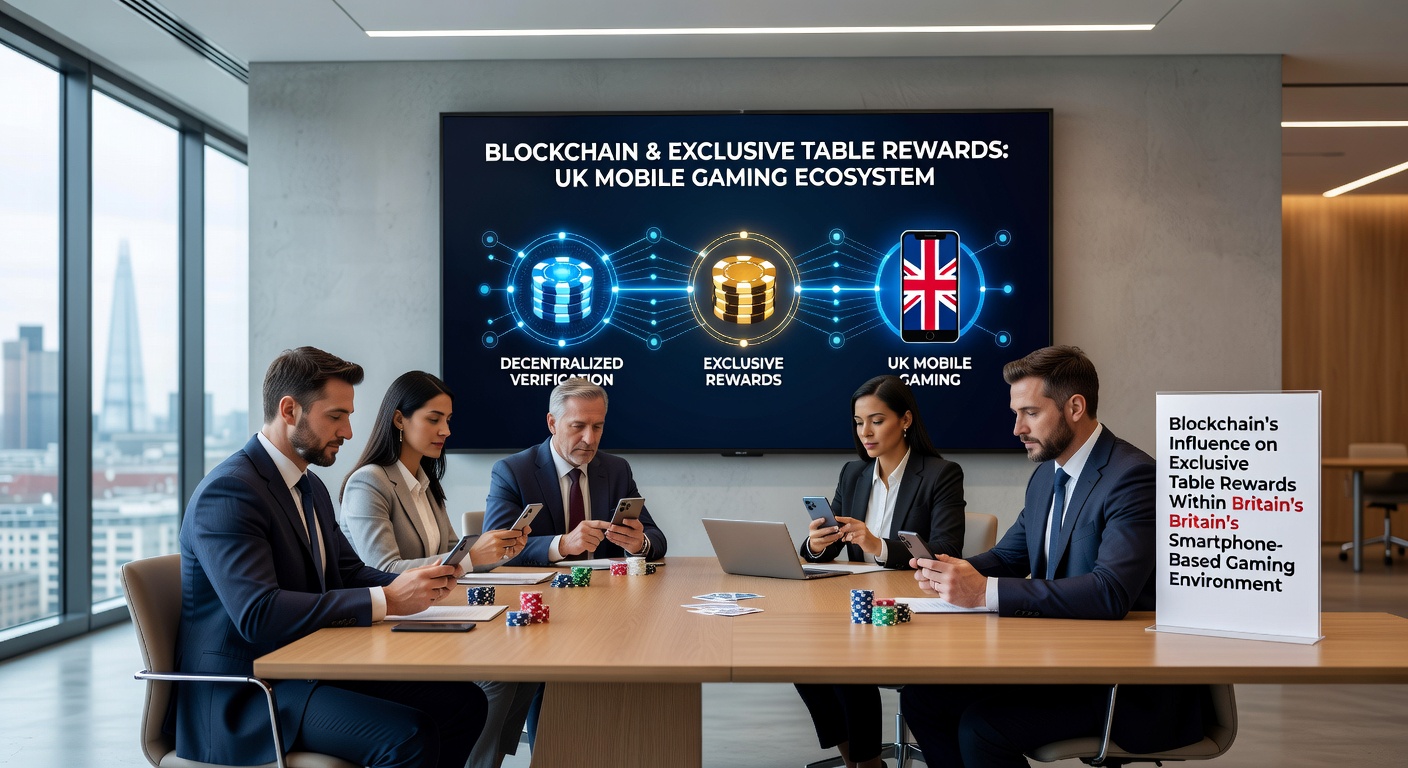
Blockchain technology has begun reshaping how exclusive table rewards operate within Britain's smartphone-based gaming environments, particularly as mobile platforms expand their live dealer offerings and VIP structures throughout 2025 and into projections for May 2026. Smart contracts now handle verification of player status, while distributed ledgers provide transparent tracking of high-stakes activity across devices. This integration allows operators to deliver personalized table access and reward tiers without relying solely on centralized databases that have defined traditional systems.
Core Mechanisms Driving Change in Mobile Table Environments
Smartphone applications in Britain leverage blockchain for verifiable randomness in card shuffles and roulette spins, which directly influences eligibility for exclusive tables reserved for high-volume players. According to industry reports from the European Gaming and Betting Association, these protocols reduce disputes over outcomes and enable automated distribution of rewards such as priority seating at private blackjack or baccarat tables. Players receive digital tokens that function as proof of playthrough, unlocking benefits that range from reduced house edges during select sessions to invitations for limited-time high-limit rooms accessible only through mobile apps.
Data from multiple European operators shows adoption rates climbing steadily, with blockchain-verified rewards appearing in roughly 18 percent of premium mobile table offerings by early 2025. This figure is expected to rise as developers refine integration with iOS and Android frameworks that dominate the British market. Those who have studied adoption patterns note that the technology supports cross-platform consistency, allowing a player who qualifies on one device to maintain status seamlessly when switching to another.
Impact on Reward Structures and Player Access
Exclusive table rewards now often incorporate non-fungible tokens that represent membership in private gaming circles, a shift that streamlines how operators manage loyalty programs on mobile. Research from academic sources including papers published through the University of Sydney's gambling studies unit indicates these tokens provide immutable records of activity, which helps prevent duplication or fraud that previously affected some centralized bonus systems. In practice, a user might earn a token after meeting specific wagering thresholds at live dealer tables, then redeem it for entry into invitation-only sessions with elevated stakes and tailored payout multipliers.
What's notable is the way blockchain enables real-time updates to reward tiers based on live performance metrics pulled directly from smartphone sessions. Operators can adjust criteria dynamically, such as extending table access during promotional windows or granting additional spins tied to specific games, all recorded on public ledgers for audit purposes. Figures from Canadian regulatory analyses of digital gaming trends reveal similar patterns emerging in other jurisdictions, suggesting the approach offers scalability that centralized alternatives struggle to match at high volumes.
Regulatory and Technical Considerations Across Regions
British operators must balance these innovations with existing compliance frameworks, while drawing lessons from approaches seen in places like Australia where the Australian Communications and Media Authority has examined blockchain applications in interactive gaming. Smart contract execution provides an audit trail that aligns with requirements for responsible play tracking, yet it also raises questions about data privacy when player histories become permanently visible on ledgers. Observers note that developers address this through permissioned chains that limit access to authorized parties, preserving confidentiality while maintaining transparency for reward validation.
Technical hurdles remain, including the need for low-latency processing on mobile networks to ensure rewards activate instantly during live table play. Several providers have reported testing hybrid models that combine on-chain verification with off-chain computation to meet speed demands without compromising security. Those who've examined pilot programs describe reduced processing times for VIP qualification, sometimes cutting approval from hours to minutes when compared with legacy methods.
Future Outlook Through Mid-2026
Projections for May 2026 point toward wider deployment of blockchain-linked loyalty ecosystems in Britain's mobile casino sector, driven by ongoing refinements in token interoperability and cross-operator recognition of rewards. Industry organizations such as the Remote Gambling Association have highlighted potential for standardized protocols that would let players carry verified status across multiple platforms, expanding access to exclusive tables without repeated qualification steps. Evidence from early implementations suggests these developments could streamline operations for both providers and users while maintaining the integrity of high-stakes environments.
Conclusion
Blockchain continues to influence exclusive table rewards in Britain's smartphone-based gaming environments through transparent tracking, automated smart contracts, and tokenized access mechanisms. Reports from diverse sources including European associations and international academic studies document measurable shifts in how operators structure VIP offerings and verify player achievements. As technical and regulatory elements evolve, the technology supports more efficient delivery of personalized benefits at live mobile tables while preserving necessary oversight.