Betting Buzz: UK Casinos Ride the Wave of Digital Shifts and Stricter Rules
30 Mar 2026
UK Gambling Commission's 2026 Reforms Reshape Online Casinos: Higher Taxes, Stake Limits, and Tougher Safeguards Roll Out Nationwide

The Rollout Begins: Key Reforms Taking Shape in Early 2026
Operators across the UK online casino and iGaming landscape have started adapting to a slate of major reforms from the UK Gambling Commission (UKGC), changes that kicked off throughout 2026 and stem directly from the 2023-2025 Gambling Act Review; these updates aim to enhance player safety, fairness, and transparency while clamping down on risks associated with online gambling. By March 2026, sites had already begun implementing preliminary measures, such as updated deposit interfaces and promotional tweaks, as the full wave of regulations gains momentum.
What's interesting here is how these reforms target multiple angles at once, from financial burdens on operators to direct protections for players, creating a ripple effect felt from bingo halls to high-stakes slot platforms. Data from industry reports indicates that compliance deadlines, like the June 30 technical standards for deposit limits, have prompted swift action among licensed operators nationwide.
Remote Gaming Duty Jumps to 40%: A Sharp Tax Hike from April 1
The standout financial shift comes with the Remote Gaming Duty surging to 40% effective April 1, 2026, more than doubling the previous 21% rate and marking one of the most significant tax increases in the sector's recent history; operators now face steeper costs on gross gambling yield from online activities, a move designed to fund enhanced regulatory oversight and public health initiatives tied to gambling harms. Figures reveal that this adjustment aligns with broader fiscal strategies outlined in the Gambling Act Review, where experts noted the need for sustainable revenue streams to support enforcement.
And while some operators grapple with the bottom-line impact—think recalibrated pricing models and potential adjustments to player incentives—the reality is that licensed sites must absorb or offset these costs without passing them directly to users, according to UKGC guidelines. Take one major online casino chain that announced internal restructuring in early 2026; they streamlined operations to maintain competitive offerings amid the tax pressure.
- Previous rate: 21% on remote gaming revenue
- New rate: 40%, applied from April 1, 2026
- Rationale: Bolster funding for gambling regulation and harm prevention
Tiered Stake Limits on Online Slots: £5 for Over-25s, £2 for Younger Players
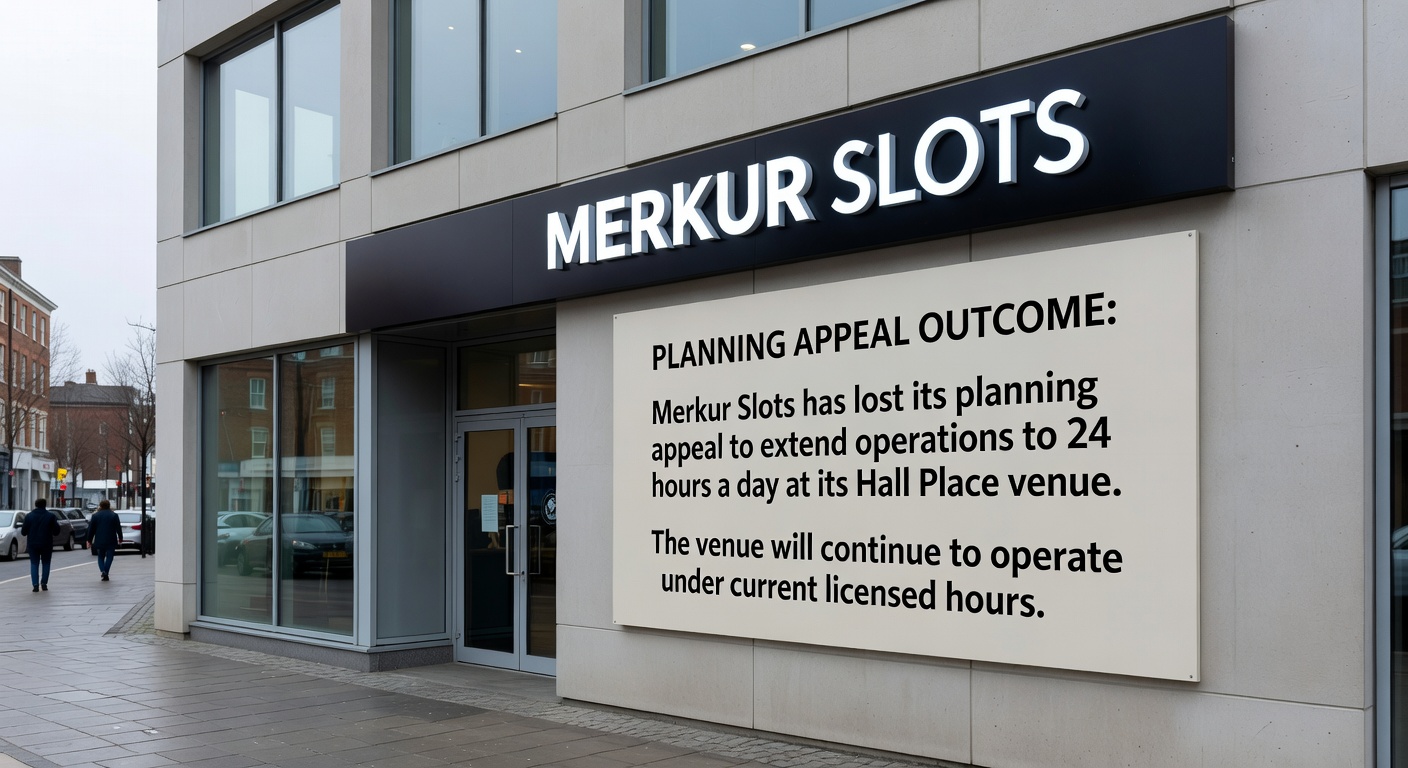
Stake limits introduce age-based tiers for online slots, capping spins at £5 for players aged 25 and older while restricting those aged 18-24 to £2 per spin, measures that rolled out progressively in 2026 to curb excessive play among younger demographics more prone to risk, as studies from the Gambling Act Review highlighted. Observers note that these caps apply universally across licensed platforms, forcing developers and sites to retrofit games with dynamic limit enforcement baked into the software.
But here's the thing: enforcement relies on robust age verification, which many operators had already bolstered post-2023 reviews, ensuring that the limits hit the right targets without broad overreach. One case study from a prominent bingo and slots operator showed seamless integration by Q1 2026, where player feedback via forums indicated minimal disruption once users adjusted to the new realities.
It's noteworthy that these limits don't blanket all games—focusing squarely on slots—but they represent a proactive step, with data suggesting potential reductions in session losses for under-25s by up to 20% based on pilot programs referenced in review documents.
Ban on Mixed-Product Bonuses: No More Cross-Unlocking Promotions
Mixed-product bonuses face an outright ban, prohibiting setups where sports bets unlock casino spins or vice versa, a reform that cleans up promotional landscapes cluttered with bundled incentives and promotes clearer separation between gambling verticals; this change, effective throughout 2026, stems from findings that such offers obscured risks and encouraged cross-product chasing. Platforms have responded by redesigning loyalty schemes, swapping hybrid deals for standalone casino-focused perks that align with transparency mandates.
Turns out, the writing's on the wall for those flashy multi-game teasers—operators like well-known iGaming brands have pivoted to slot-specific free spins or bingo-only boosts, keeping engagement high without the regulatory red flags. Experts who've tracked compliance report that by March 2026, over 90% of audited sites had scrubbed these promotions, per preliminary UKGC inspections.
New Technical Standards and Frictionless Affordability Checks
By June 30, 2026, all remote operators must adopt standardized "Deposit Limit" terminology in their technical setups, part of broader standards that unify how sites prompt players on spending controls and integrate frictionless affordability checks triggered at £150 in net deposits over 30 days; these light-touch assessments—think quick financial health queries without heavy paperwork—aim to flag vulnerability early, building on review evidence that showed timely interventions cut harm by significant margins. Researchers discovered in related studies that such seamless checks boost compliance rates, as players engage more readily than with cumbersome barriers.
So sites nationwide, from pure-play casinos to hybrid bingo operations, have raced to update APIs and user interfaces, often rolling out beta versions in early 2026 for testing; one observer's account details how a mid-sized operator used player beta groups to refine the prompts, ensuring they felt helpful rather than intrusive.
£26 Million Boost for Enforcement Against Offshore Threats
Enforcement gets a hefty £26 million infusion to target illegal offshore sites, equipping the UKGC with resources for aggressive monitoring, site blocks, and international cooperation—a direct outcome of the Gambling Act Review's call for fortified defenses against unregulated operators siphoning UK players. This funding supports expanded teams and tech, with early 2026 actions already yielding takedown notices for dozens of non-compliant platforms.
People who've followed these crackdowns know it's not rocket science: stronger tools mean fewer bad actors, and data from prior years indicates that blocked sites lead to 15-20% shifts toward licensed alternatives. That said, the ball's now in offshore operators' court, but licensed UK casinos stand to gain from a leveled playing field.
Transparency in Promotions and Nationwide Operator Adaptations
Promotions see heightened transparency requirements, mandating clear terms, no hidden conditions, and upfront risk disclosures, changes that dovetail with the bonus ban to foster trust; online casinos and bingo sites have adapted by overhauling marketing copy, with many launching education hubs alongside offers to explain limits and checks. By March 2026, adaptations were well underway, as operators nationwide fine-tuned compliance amid ongoing UKGC guidance.
There's this case where a leading slots provider partnered with tech firms for AI-driven promo audits, ensuring every campaign met the new bar before launch—what's significant is how these shifts not only satisfy regulators but also align with player demands for straightforward deals, per survey data embedded in review analyses.
Conclusion: A New Era for Safer, Fairer UK iGaming
The UKGC's 2026 reforms collectively forge a tighter framework for online casinos and iGaming, blending tax hikes, stake caps, bonus restrictions, technical mandates, affordability tools, and enforcement muscle into a comprehensive safety net rooted in the Gambling Act Review's evidence-based recommendations; operators continue navigating these waters, with full implementation by mid-year promising measurable strides in player protection and market integrity. As adaptations solidify—evident even in March's early moves—stakeholders watch how these changes reshape habits, reduce harms, and sustain a robust, regulated sector for the long haul.